INSIDE SCOOP
Best Drones in Kenya That Follow You Automatically
Jul
Imagine this: you’re just about to reach the top of a Kenyan mountain range. The golden hour lighting is absolutely sublime. As you reach the peak, you’ve got the framing just right to capture the dramatic sunset. But suddenly you realize you can’t actually get the epic shot of yourself that you envisioned because you’re too busy controlling your drone. Or, you’re trekking on a serene trail in a beautiful natural African wonderland, and you would like the world to see everything around and beyond without having to split focus between a remote control/drone and your incredible surrounding.
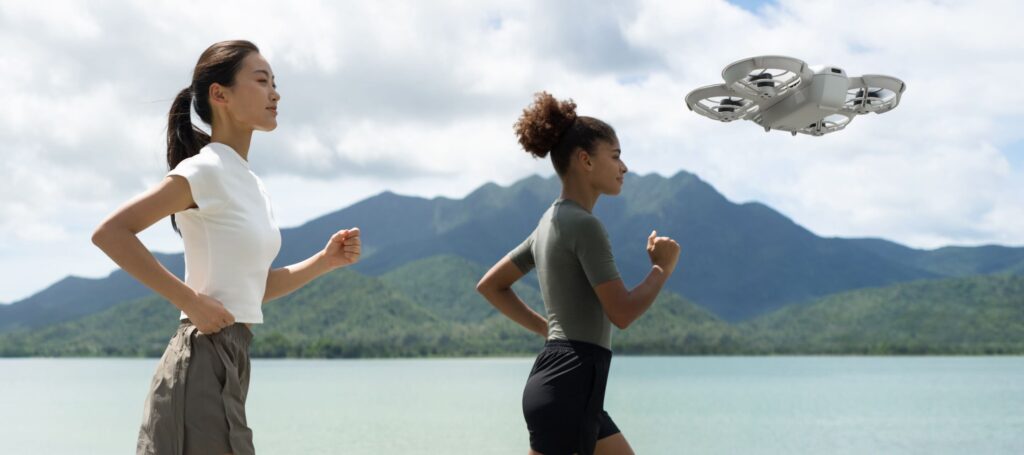
To overcome this, drone manufacturers have developed automatic features that take out a lot of the guesswork and are making aerial photography more and more intuitive. Drones that follow you let you make the most of your adventure without the worry of you or your beloved drone crashing because you’re splitting your focus between the drone and yourself.
Let’s take a moment to look at how DJI’s industry leading FocusTrack technology helps make drones with subject tracking actually work, what the difference is between available drone models, and which ones might be right for you and especially the Kenyan market.
How Do Follow Me Drones Work?
Drones that follow you may make you wonder how they can follow you during your activities. Follow me drones typically use a combination of GPS, computer vision, and obstacle avoidance technology to track and follow a subject. So let’s look at how drone manufacturers equip their drones to follow you when you need them to automatically.
DJI has made it’s built FocusTrack into their drone’s camera view by default so that when you open the camera view all you have to do is select your subject, then select from the FocusTrack modes Spotlight, ActiveTrack, and Point of Interest to activate these modes unique follow-me capabilities.
DJI’s ActiveTrack
The ActiveTrack feature was first introduced with the Phantom 4 series and represented the evolution of the Follow Me mode found on previous drones. DJI’s ActiveTrack vastly improved accuracy and user experience. It allowed the user to mark and track multiple moving objects on the controlling device’s screen without the need of an external tracking device. DJI has continuously developed and improved it’s ActiveTrack and now many of the drones DJI makes that can follow you have ActiveTrack 5.0.
Both GPS and vision recognition are utilized in the ActiveTrack feature to locate the drone itself, stabilize its flight, and navigate between obstacles. It has been such a success that it is available on almost all new drones released by DJI. The DJI FLY app has been specifically designed to help all of the drones maximize the ActiveTrack user experience.
ActiveTrack includes two modes: Trace and Parallel.
1.Trace
① Select the Trace mode and tap “GO”, and the drone tracks the subject at a constant distance.
② During the flight, the drone will automatically calculate the distance from obstacles, plan the route, and avoid the obstacles.
2.Parralel
① When the Parallel mode is selected, the drone tracks the subject at a constant angle and distance from the side.
② After selecting the Parallel mode, tap “GO”, and then tap the Shutter button on the app interface or press the Shutter button on the remote controller to start shooting.
If the target is lost, the drone will hover in place.
What are Follow Me Drones Good For?
Drones with a follow-me mode can automatically track a target. The follow-me mode means the drone can fly while keeping a preselected target in focus without being piloted.
For activities that require your utmost attention and focus, like running, driving, biking, skating, etc., the drone pilot cannot fly the drone manually and do the activity safely. In these and many other situations, it’s paramount to have a drone with a follow-me mode so that you can capture the footage you need worry-free.
Best Follow Me Drones
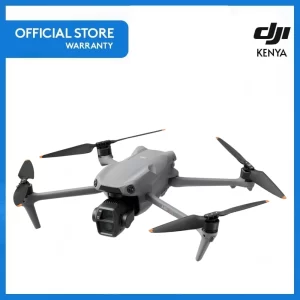
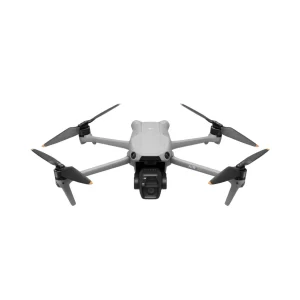
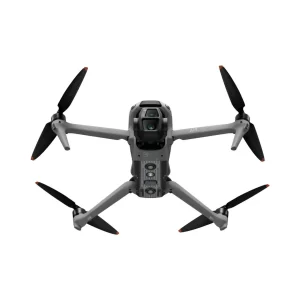
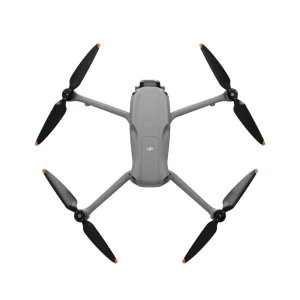
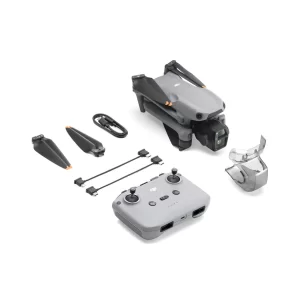
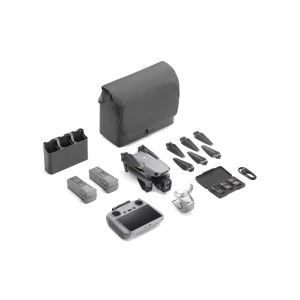
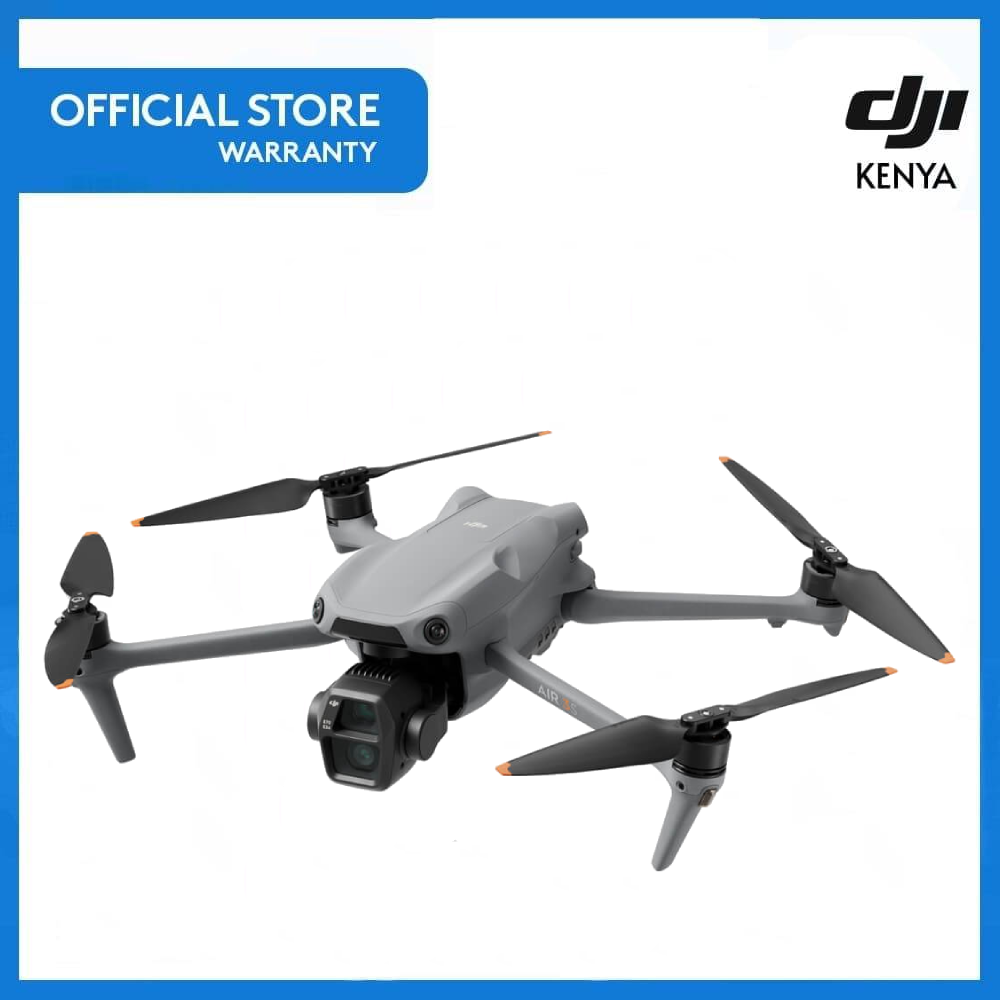
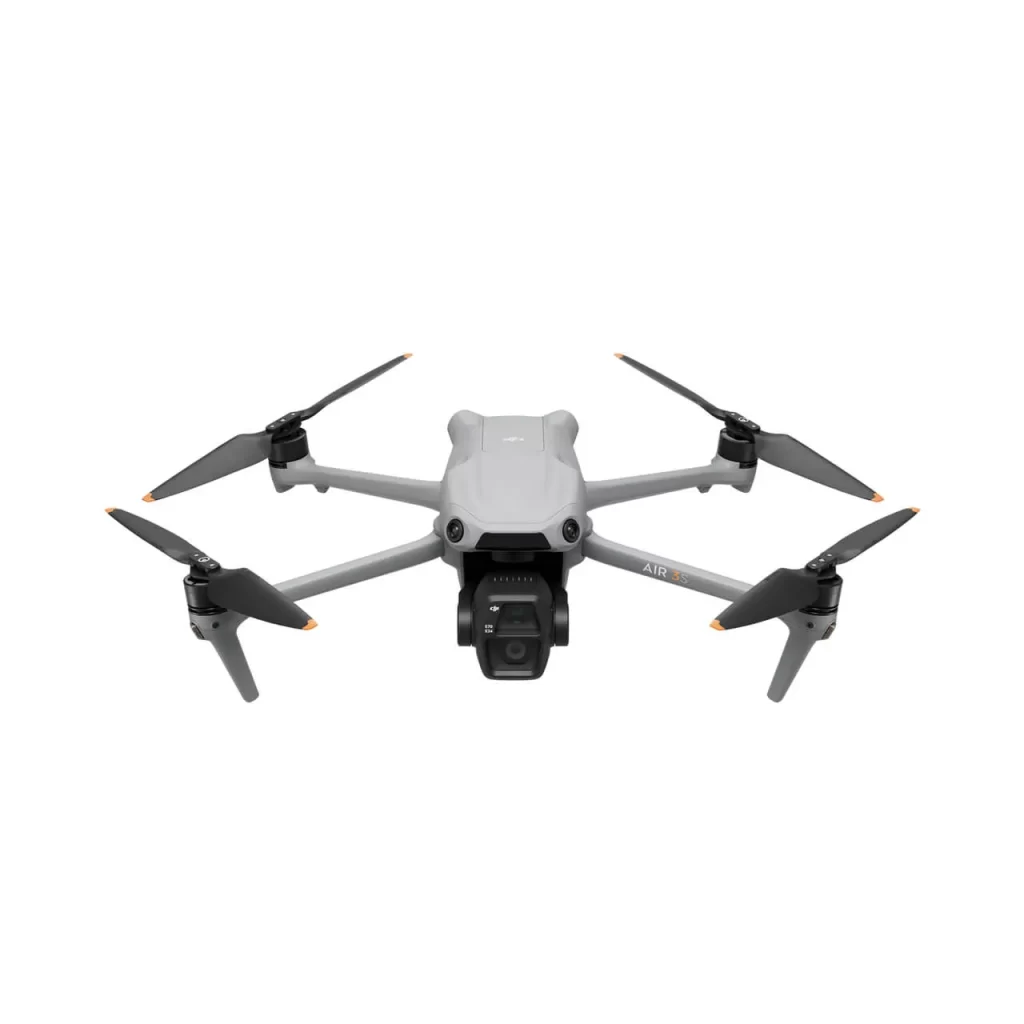
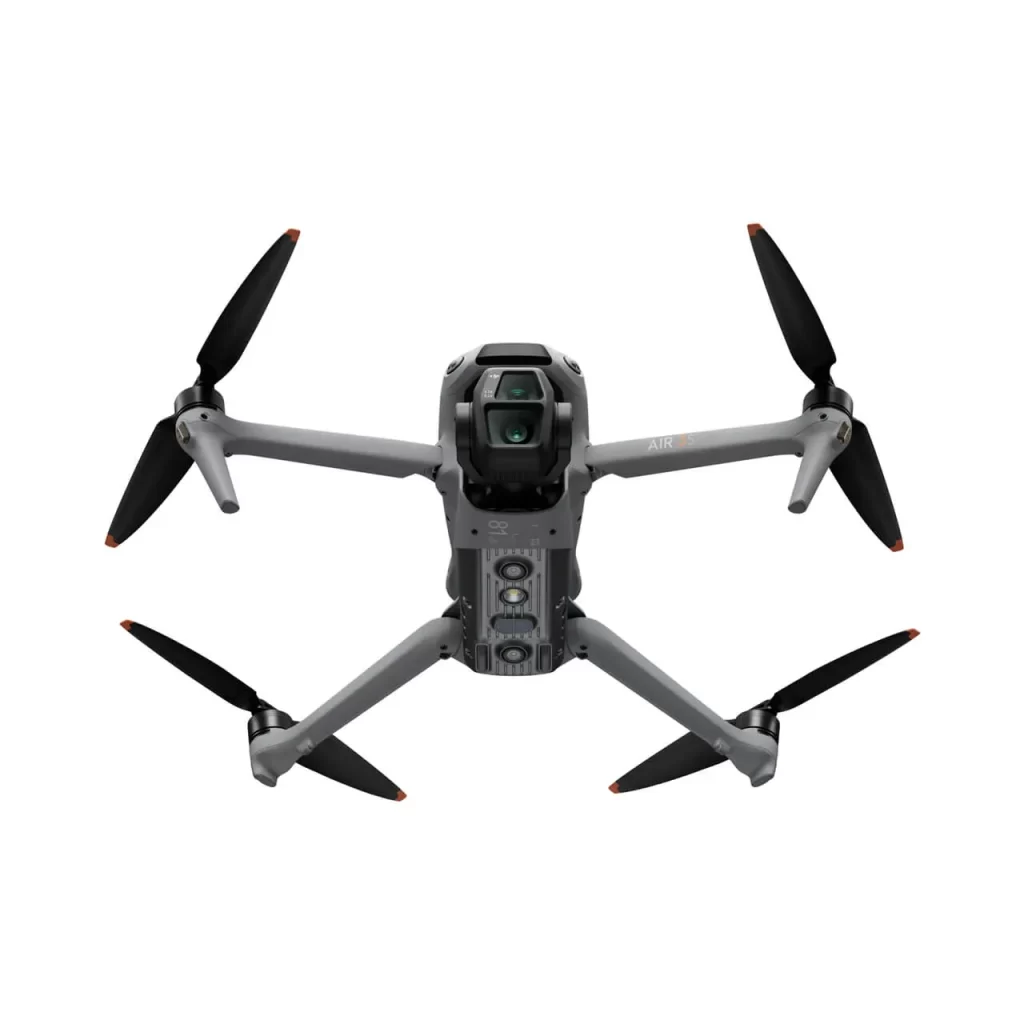
1. DJI Air 3S
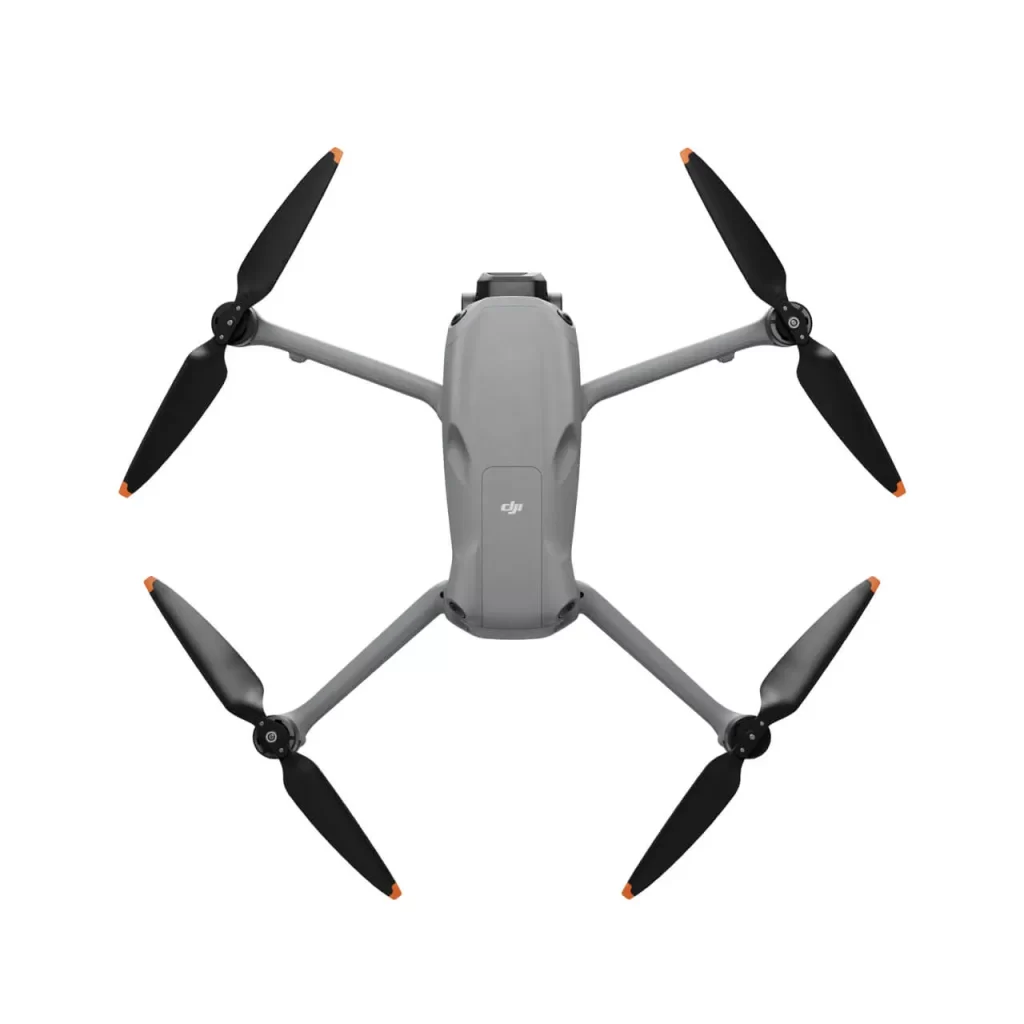
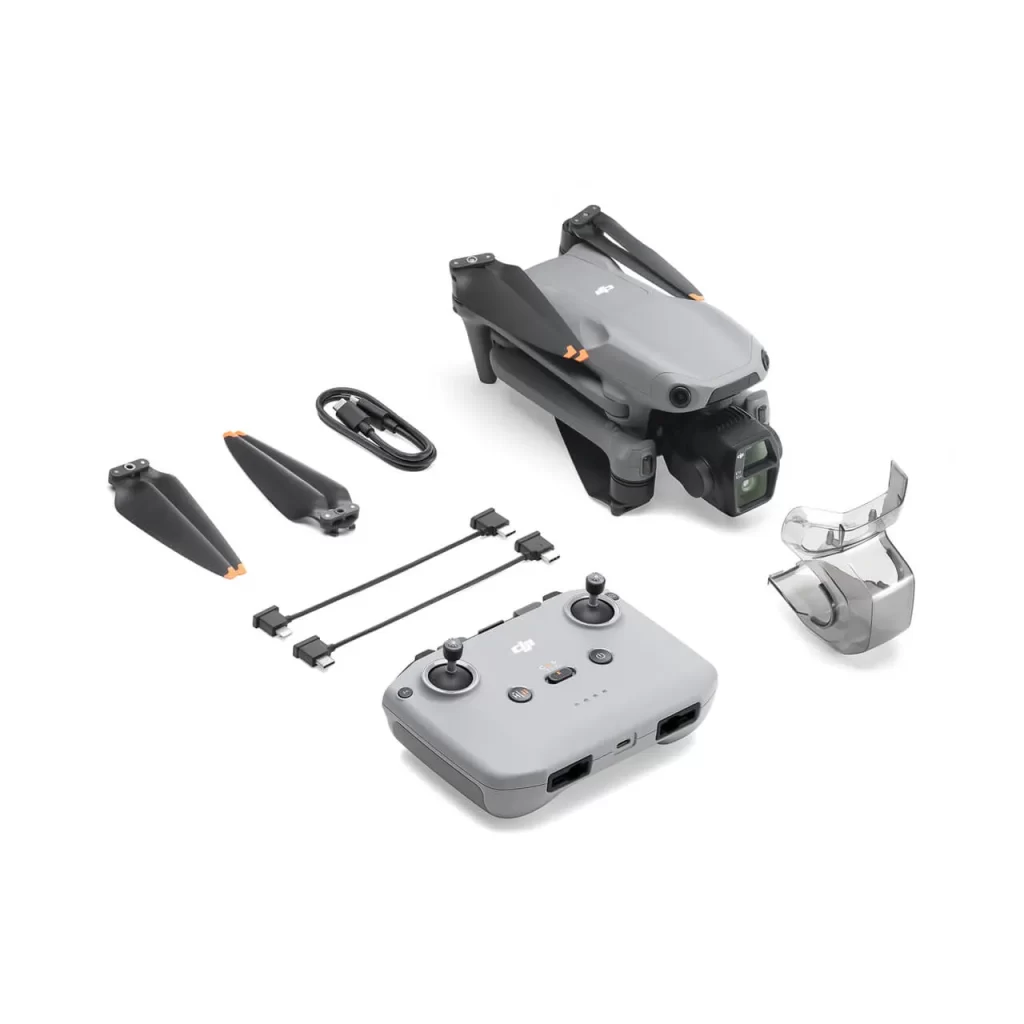
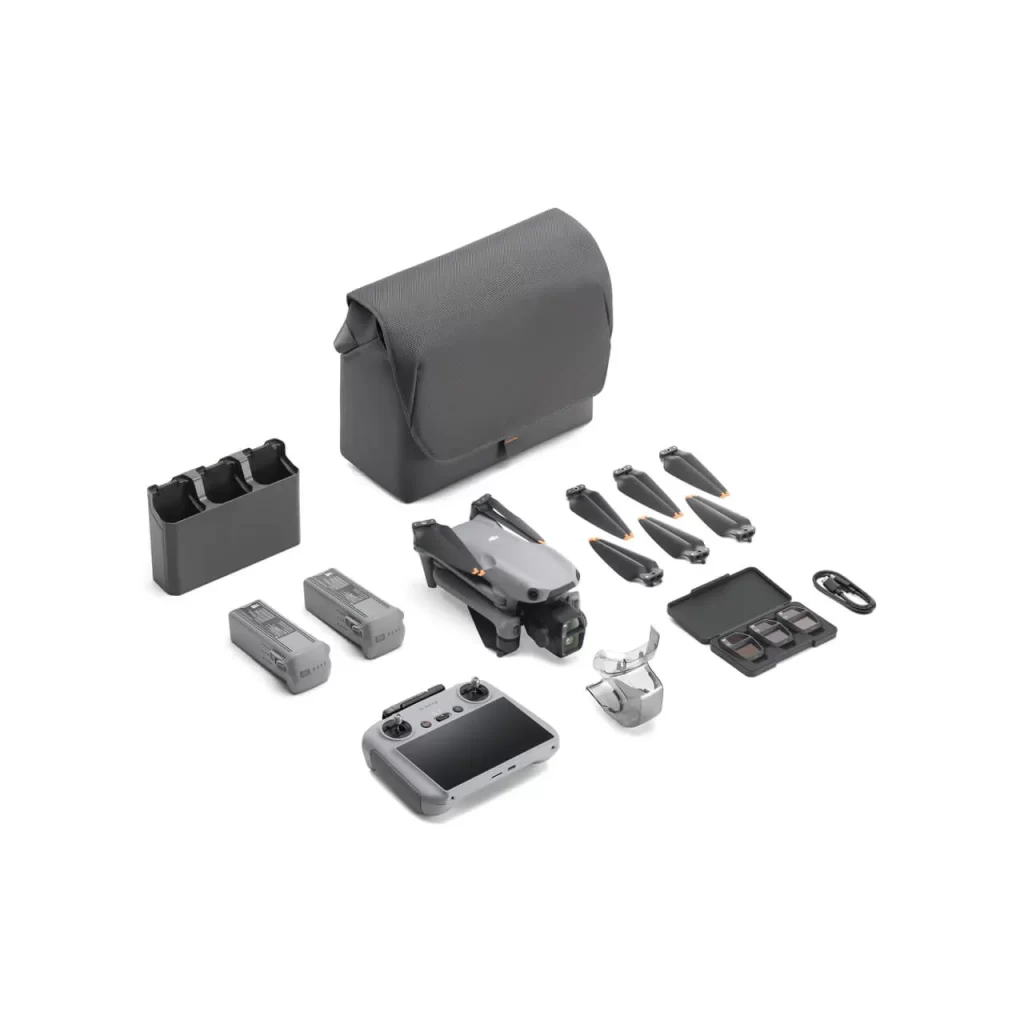
DJI Air 3S represents a significant leap forward in DJI’s follow-me drone technology with its sophisticated omnidirectional visual sensing system.
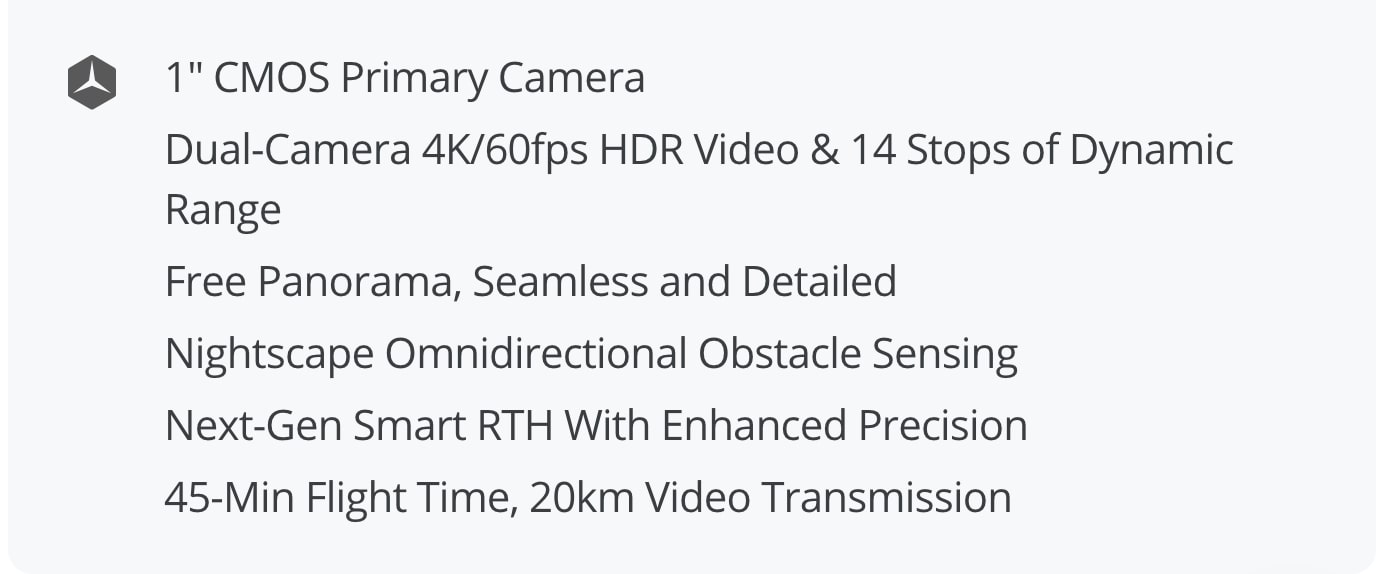
- Equipped with a high-quality dual-camera system (1” CMOS wide-angle and 1/1.3” CMOS medium tele camera), it captures stunningly detailed footage with enhanced depth.
- The drone automatically selects the best angles and camera motions while tracking a variety of activities like walking, running, cycling or driving.
- DJI Air 3S’s new Subject Focusing feature maintains sharp focus on your subject, freeing you to focus on on creative shot composition and camera movement.
- DJI Air 3S’s upgraded tracking system maintains focus on subjects even when lower half of their body partially obscured or on the move.
Equipped with nightscape omnidirectional obstacle sensing, DJI Air 3S can detect and avoid obstacles in even low-light conditions, ensuring a safe flight in complicated environments.
2. DJI Mini 5 Pro
DJI Mini 5 Pro is an ideal follow-me drone for beginner photographers and videographers looking to capture footage from unique perspectives. It offers advanced features that make it easy to track moving subjects, such as obstacle detection and avoidance sensors and ActiveTrack technology.
- Compact and lightweight design that makes it easy to transport and maneuver in tight spaces
- Enjoy up to 52 minutes flight time of flight time depending on your needs.
- 4K/120fps camera that captures high-quality photos and HDR videos with improved color accuracy and contrast
- Maximum flight range of up to 32 kilometers, providing ample opportunity to capture footage from a variety of vantage points
- A great choice of the Mini Series that can flexibly avoid and detect obstacles sooner with omni-sensing. Even new pilots can fly worry-free.
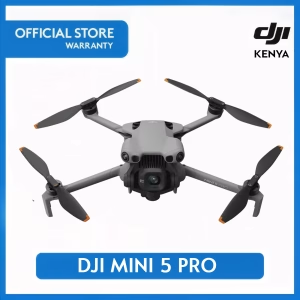
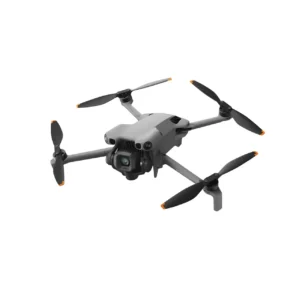
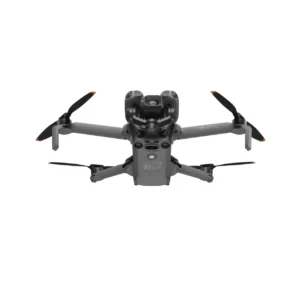
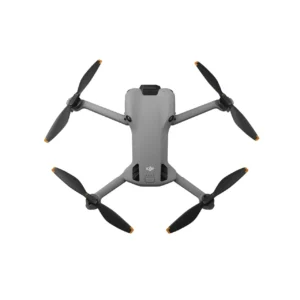
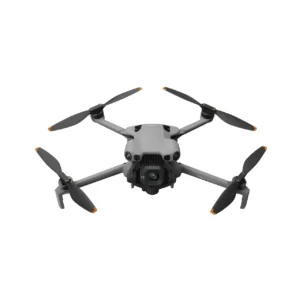
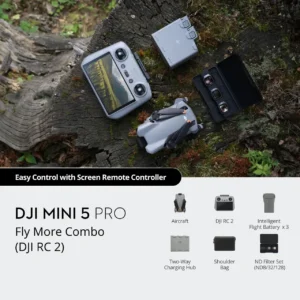
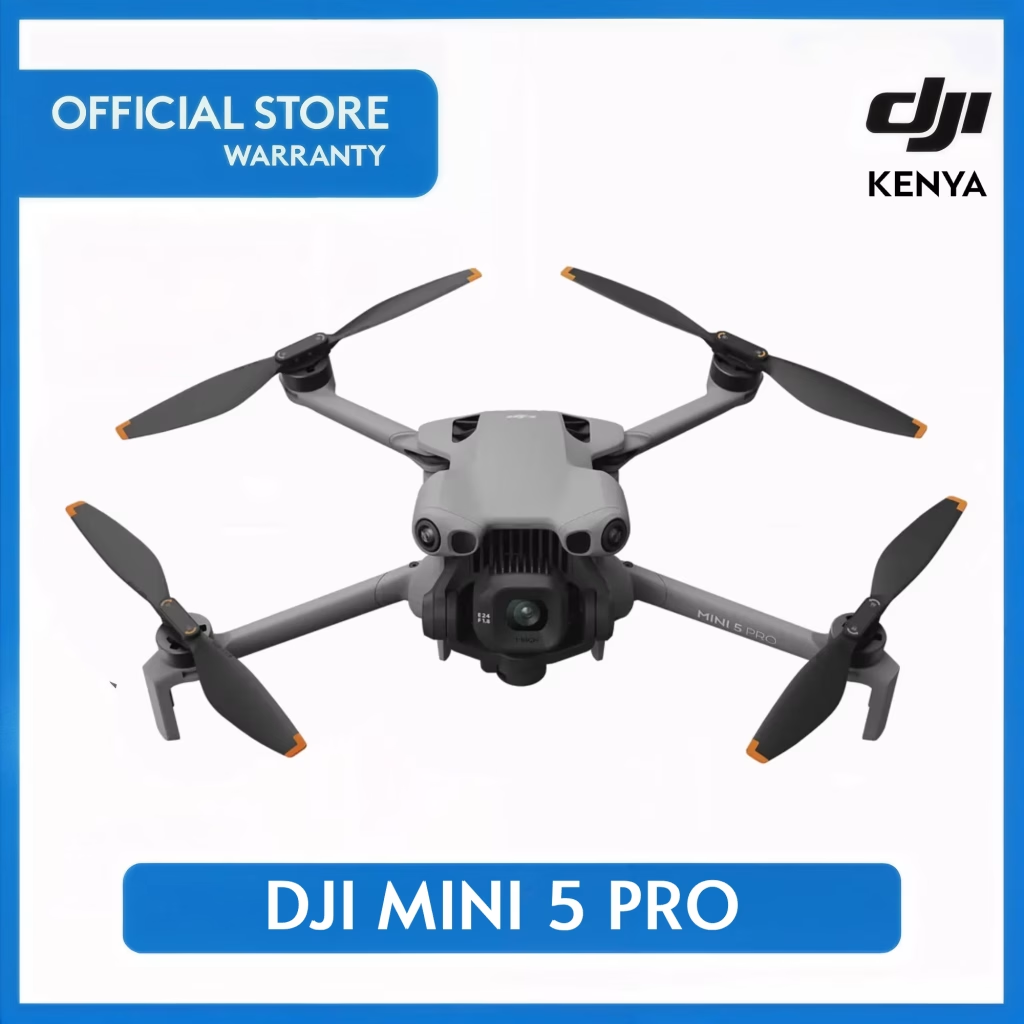
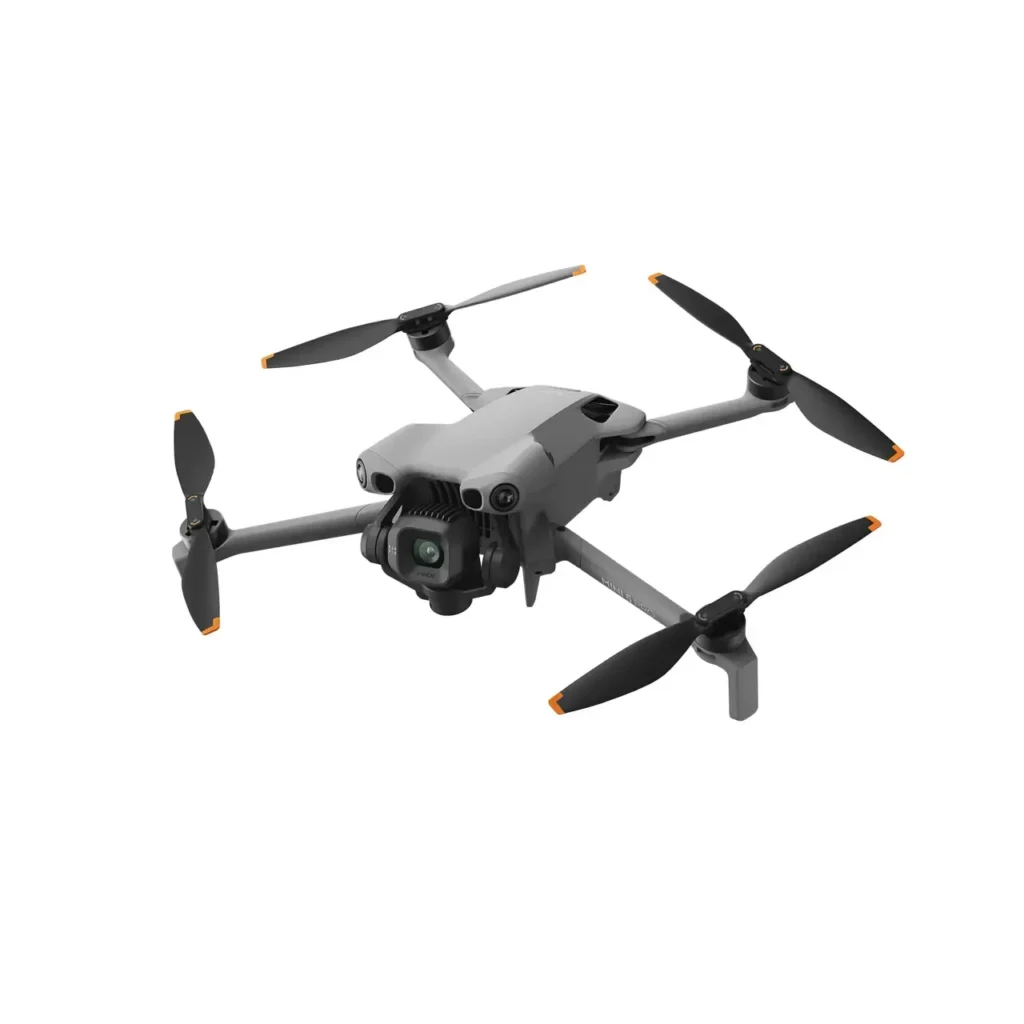
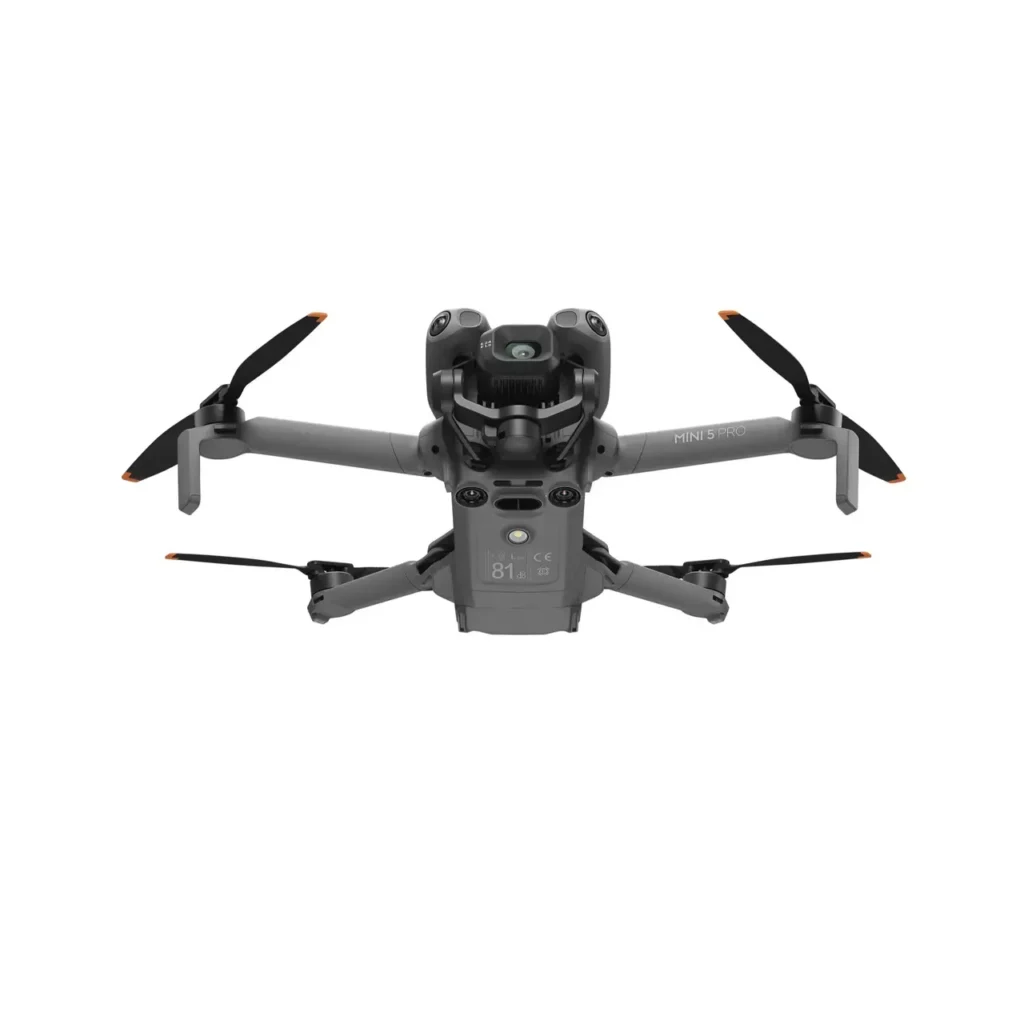
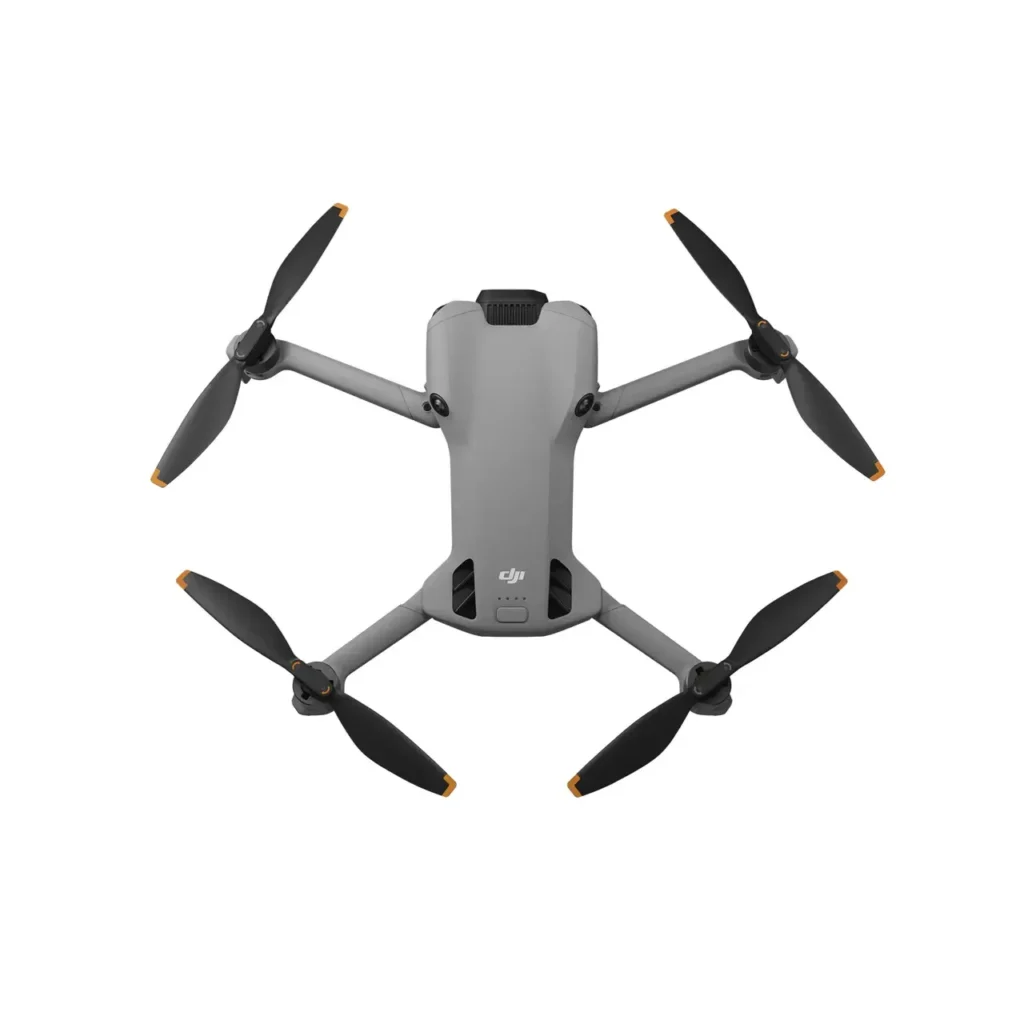
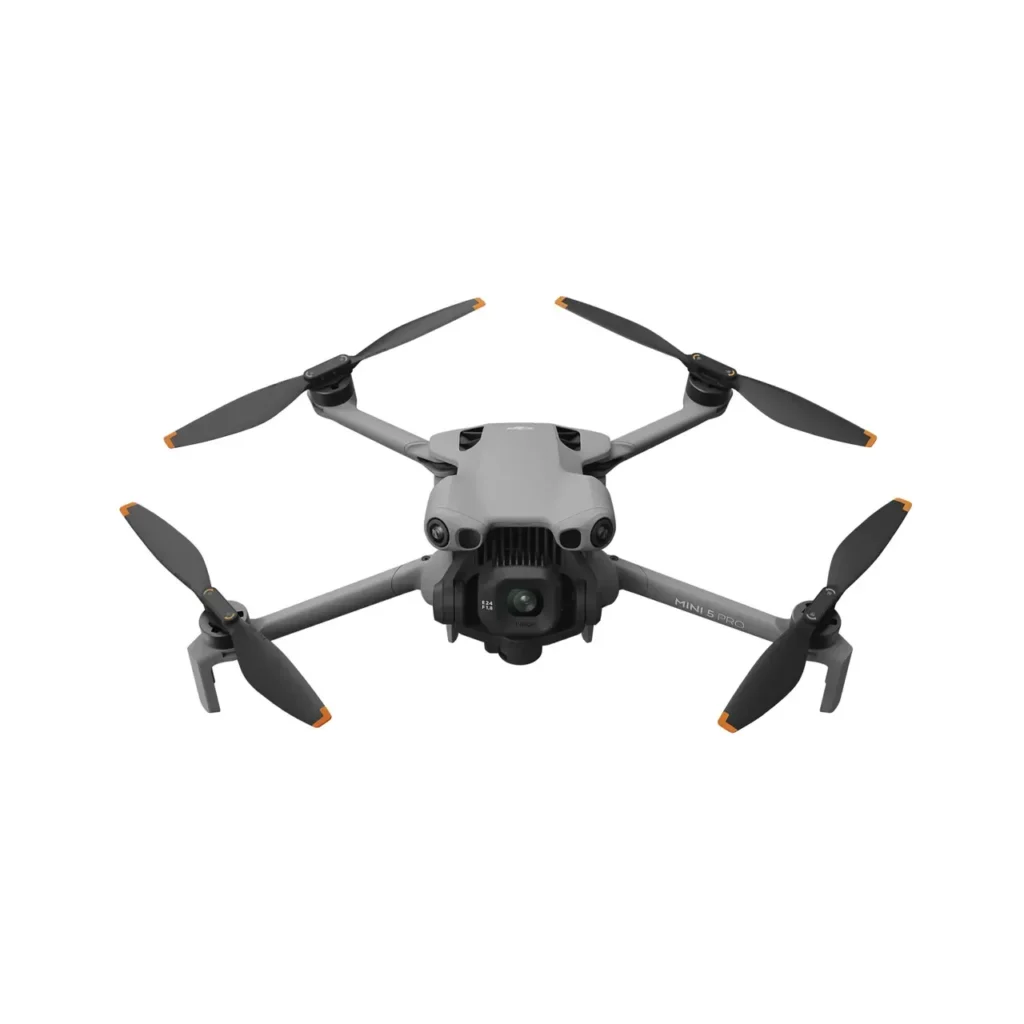
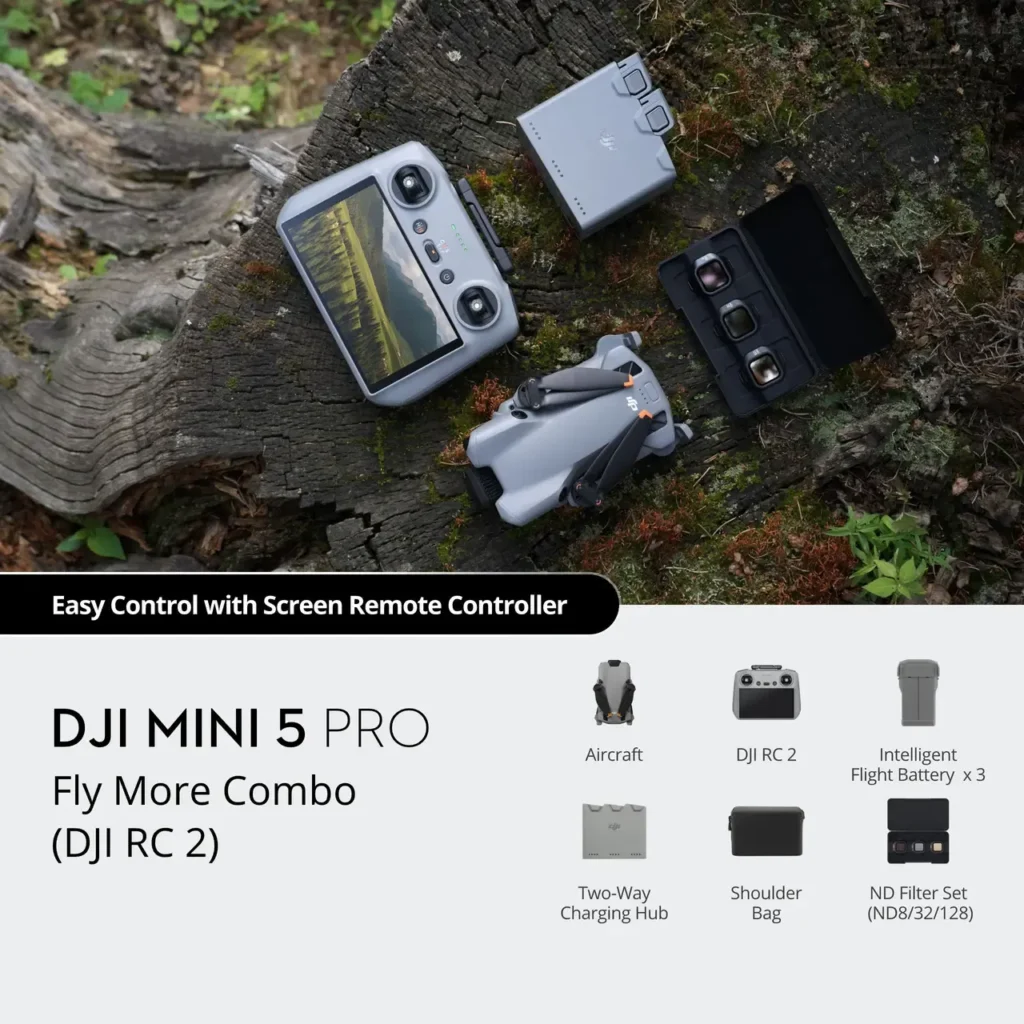
DJI MINI 5 PRO
DJI MINI 5 PRO PRODUCT SPECIFICATIONS
1-Inch Large CMOS Camera
Nightscape Omnidirectional Obstacle Sensing
True Vertical Shooting and 225° Flexible Gimbal Rotation
Extended Battery Life
Taking Selfies With Follow Me Drones
Using a drone to take selfies can provide unique and creative angles that cannot be achieved with a traditional selfie stick. For instance, a drone can capture a wide shot of a scenic landscape, or a bird’s-eye view of a crowded event, providing a more visually engaging image. In addition, drones can follow and film the subject as they move, creating dynamic and engaging footage.
Drones can also reach places difficult or dangerous for people to access carrying heavy, cumbersome equipment, such as high rooftops or bodies of water. Using a drone to take selfies provides a new way to capture memorable moments with friends and family.
Drone Flight Safety Tip for Kenya and Kenyan users
Although obstacle avoidance features are a great tool in flight safety, it is always advisable to keep the following flight safety tips in mind when flying a follow me drone in Kenya:
- Flight altitude: In follow me modes, a certain minimum flight height may be required in specific drone models. We recommend setting the drone’s flight altitude to be higher than surrounding obstacles.
- Fly in an open space: Although the drones can avoid numerous obstacles, it’s best to fly in an open space and make sure that there are no obstacles in your planned flight path whenever possible.
- Be sure to fly in P-mode: DJI’s ActiveTrack feature requires both the GPS signal strength and the vision recognition system, which is only available when flying in P-mode. When you switch the flight to S-mode, the aircraft only uses GPS to locate itself.
The forward and backward vision systems (when equipped) are disabled, the aircraft is not able to sense or avoid obstacles, and Intelligent Flight modes are unavailable.
The aircraft automatically changes to Attitude mode (ATTI mode) when the vision systems are unavailable or disabled and when the GPS signal is weak or the compass is experiencing interference. In this case, the aircraft is not able to avoid obstacles and is a potential flight hazard.
- Battery status: Remember to keep an eye on battery levels and warnings. Do not try to use the follow me modes on low battery. We suggest flying in ActiveTrack mode with at least 30% battery power remaining.